Duqm’s RO 2.9 Billion Investment Surge: What It Means for Your Business Opportunities in Oman
The Special Economic Zone at Duqm (SEZD) secured RO 2.9 billion ($7.5 billion) in investments spanning energy, industry, battery materials,
Read More
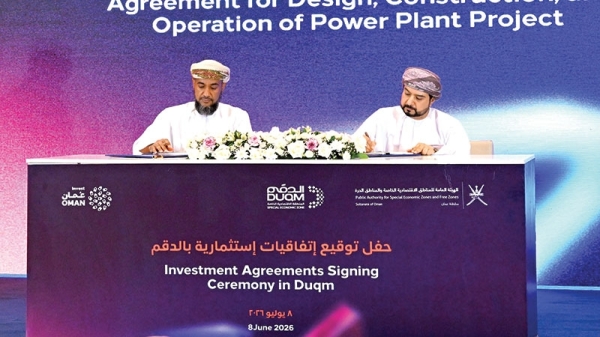
The Special Economic Zone at Duqm (SEZD) secured RO 2.9 billion ($7.5 billion) in investments spanning energy, industry, battery materials,
Read More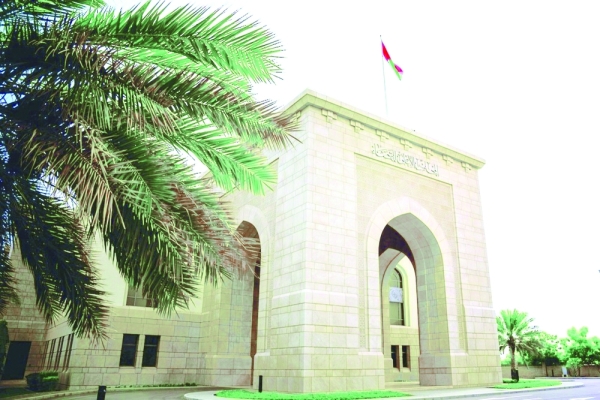
The establishment of a specialised Investment and Trade Court in Oman, as highlighted by Ibtisam bint Ahmed al Farouji, aims
Read More
As the Oman–India CEPA begins, discussions shift from tariffs to Oman's strategic importance. India sees Oman as a stable gateway
Read More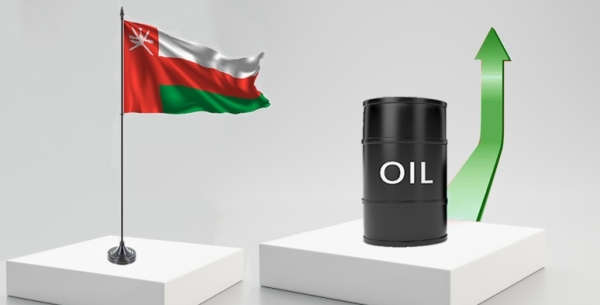
The official price of Oman crude oil for August delivery rose by $2.49 to $93.38 per barrel amid a global
Read More
For many small businesses, chamber membership can feel like an obligation rather than a value. The Oman Chamber of Commerce
Read More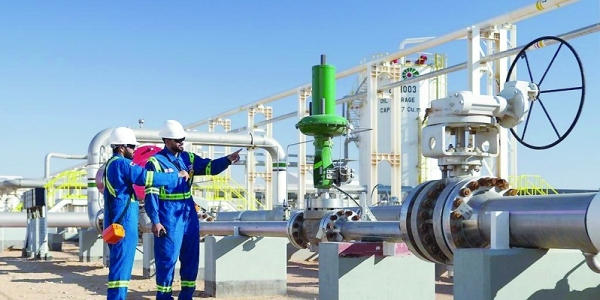
Oman will increase its crude oil production by 5,000 bpd in July 2026, raising its ceiling to 831,000 bpd. This
Read More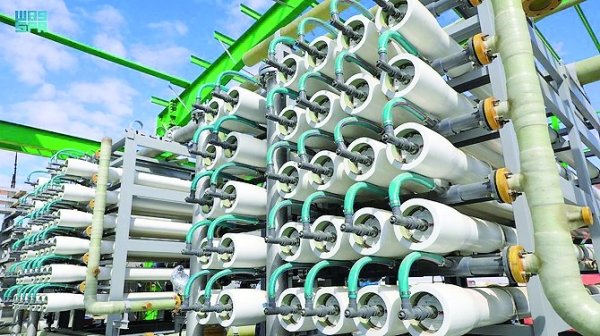
Nama Water Services invites investors to pre-qualify for a project to establish local manufacturing of Reverse Osmosis membranes in Oman.
Read More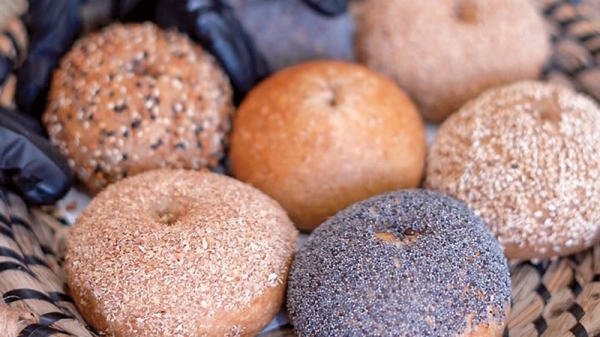
Mashael bint Naser al Shabibi's diabetes diagnosis marked the start of a transformative journey. As the founder of Burrah, Oman’s
Read More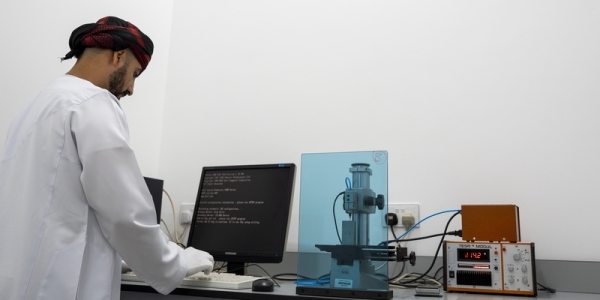
Muscat, Oman — On 9 June, Oman celebrates World Accreditation Day, focusing on ‘Accreditation: Empowering Small and Medium Enterprises.’ Accreditation
Read More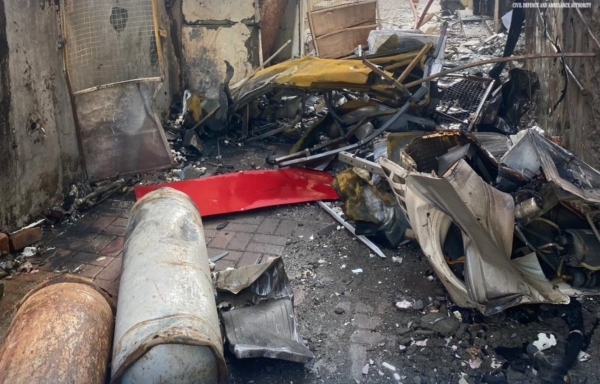
Firefighting teams from the Civil Defence and Ambulance Department in Muscat responded to a restaurant fire in Al Amerat, leading
Read More